Students today are growing up in a world shaped by artificial intelligence. Many educators and administrators did not grow up with these tools, yet they are now responsible for preparing students for a future where technology moves, reacts, and collaborates with people every day. Schools are being asked to prepare students for careers and industries that are evolving in real time.
Today we are announcing a new partnership with schools and universities that brings MakerMods into classrooms and learning spaces. This initiative focuses on giving educators access to low-cost, high-performance robotics systems that support diverse learning environments and real-world skills. The goal is straightforward. Help students understand, build, and shape the technology that will define their generation.
Classrooms shape the future before it arrives
Why robotics belongs in the classroom now
Technology is no longer limited to screens. Intelligent systems now power transportation, healthcare, manufacturing, logistics, and creative industries. Students will graduate into environments where understanding how machines sense, move, and respond will be as essential as using software.
Many schools recognize this shift but face practical limitations. Robotics tools are often expensive, fragile, or difficult to maintain at scale. Some require specialized expertise that few teachers have time to develop. MakerMods addresses this gap with robotics products designed to be affordable, durable, and adaptable across classrooms, labs, and workshops. This makes it possible to introduce robotics without adding unnecessary complexity or cost.
Robotics should not be reserved for specialized programs. With the right tools, students can explore technology through hands-on building and experimentation in ways that feel natural and accessible.
Classrooms deserve tools that grow with students
What MakerMods brings to classrooms
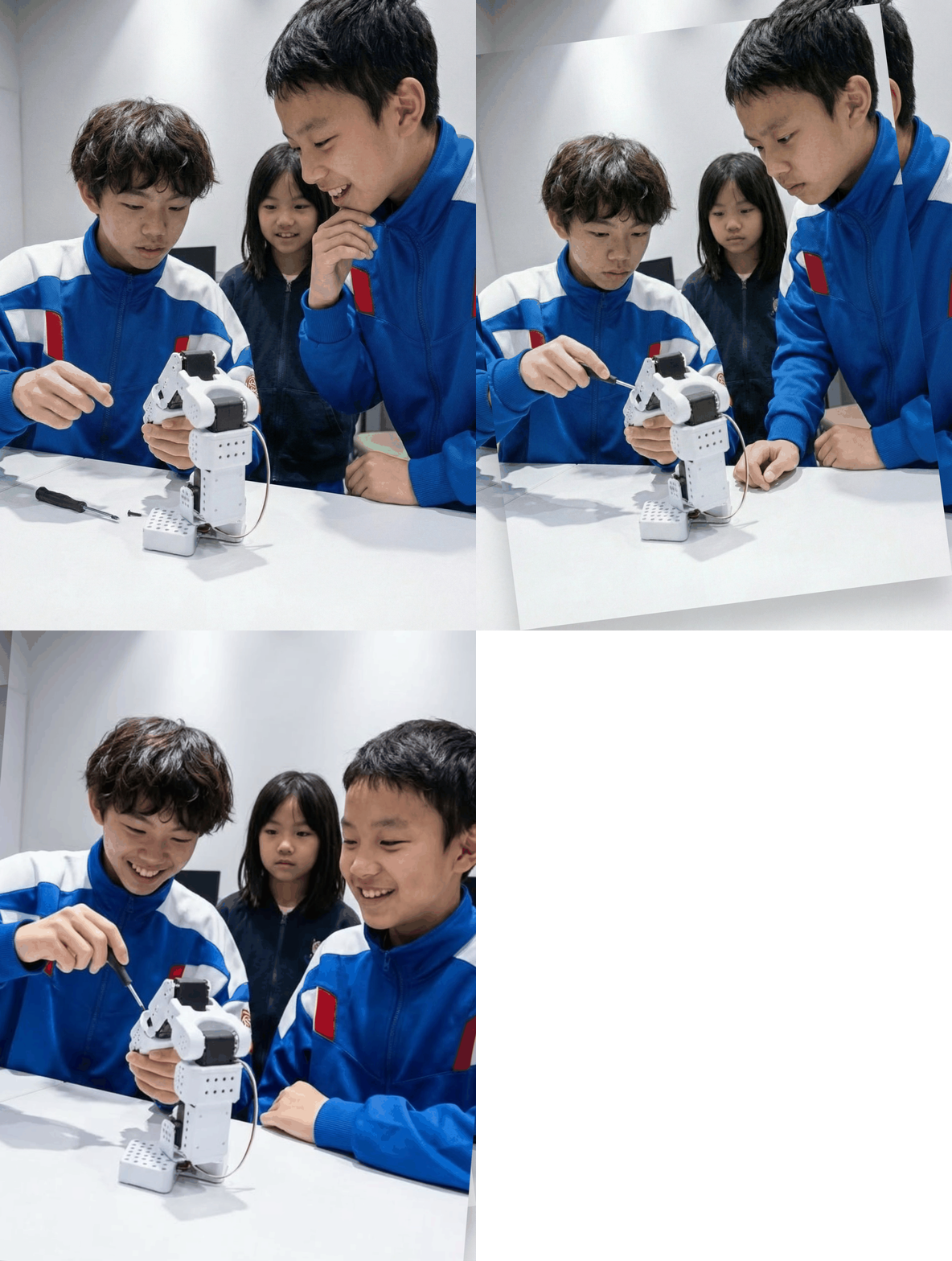
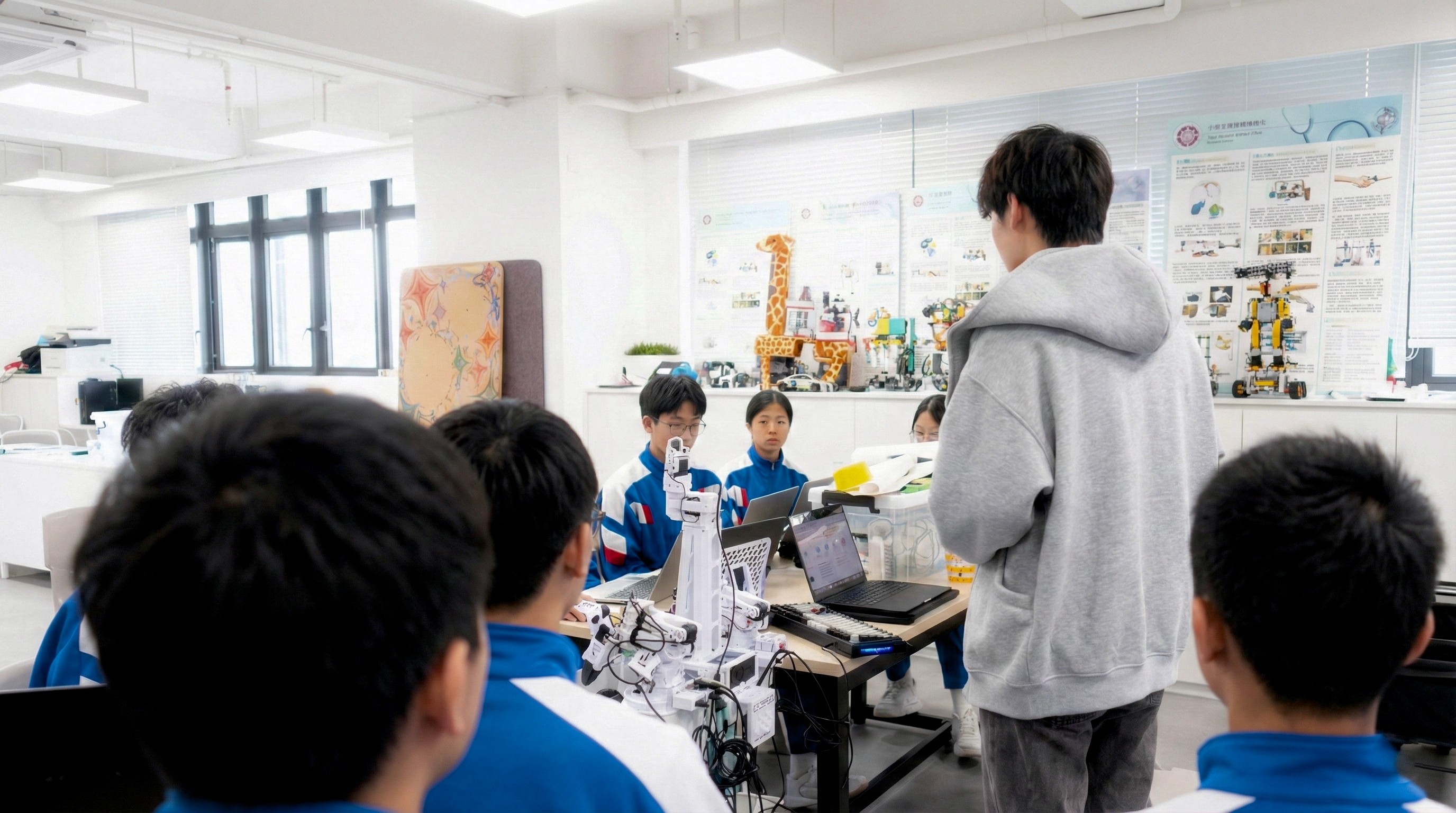
MakerMods introduces modular robotics systems built for real learning environments. Each module connects easily and can be assembled into working robots within minutes. Students can explore movement, sensing, automation, and design without complicated setup or fragile wiring. The result is a learning experience that feels immediate and engaging.
Because the system is both low cost and high performance, it supports a wide range of applications across STEM courses, engineering programs, and creative disciplines. Educators can integrate robotics into existing curricula without replacing what already works. Students can experiment freely and see results quickly, reinforcing both curiosity and confidence.
Early classroom programs show students building assistive devices, designing kinetic structures, and testing engineering concepts through real-world projects. These experiences help transform abstract lessons into tangible understanding.
Preparing students for what comes next
Education has always evolved alongside society. Classrooms once adapted to computers and the internet. Today they are adapting to intelligent machines that interact with the physical world. Robotics and AI will influence nearly every field, from medicine and sustainability to design and advanced manufacturing.
Introducing robotics now gives students the chance to move from passive users of technology to active creators. They learn how systems function, how to improve them, and how to apply them responsibly. Tools that are affordable, durable, and compatible with diverse applications make this shift practical for institutions of any size.
For administrators, preparing for the future means investing in platforms that remain relevant as technology evolves. MakerMods supports this with flexible robotics systems designed to scale across programs and grade levels.
Learning from the past and building forward
Many educators remember when computers first entered classrooms. At the time, there were questions about cost, training, and long-term value. Over time, those tools became essential to everyday learning. Robotics and AI now stand at a similar moment of transition.
The difference today is speed. Technology is advancing rapidly, and students already interact with intelligent systems in daily life. Providing access to reliable, accessible robotics tools allows schools to meet this moment with confidence rather than hesitation.
Effective programs must be inclusive and adaptable. Students need tools that support both exploration and technical growth. Systems that are durable, reusable, and compatible with thousands of devices ensure robotics education remains sustainable and meaningful over time.
Who this partnership serves
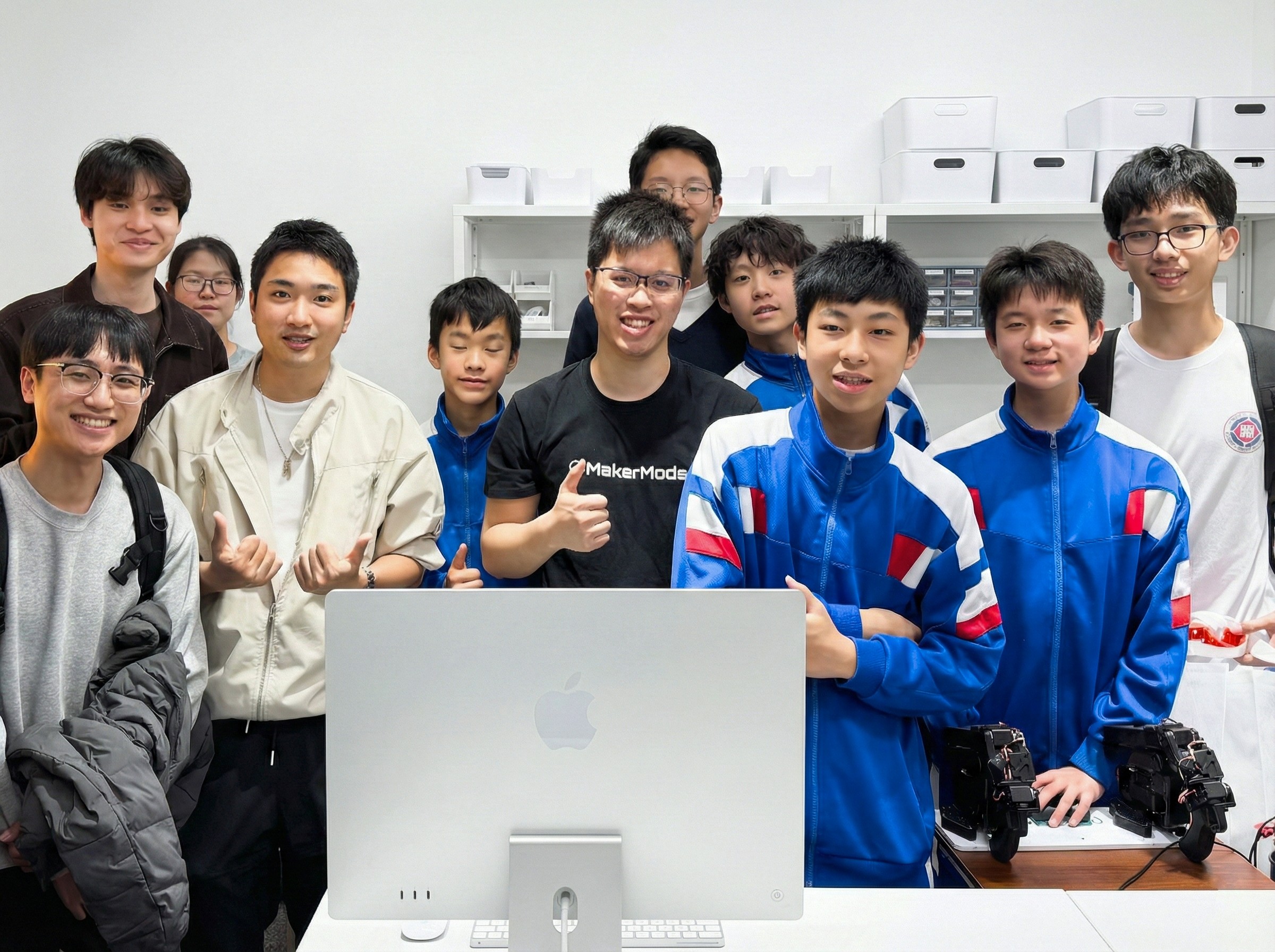
This initiative supports educators, administrators, and institutions preparing students for a rapidly changing world. It fits into elementary classrooms introducing foundational engineering concepts, high schools exploring STEM pathways, and universities preparing students for emerging careers.
Most importantly, it serves students. Some will discover new interests in engineering or design. Others will gain confidence working with technology and solving real problems. All benefit from access to practical robotics tools that reflect real-world innovation and prepare them for what comes next.